




Blog
10 Critical Signs Your Sump Pump is Failing (Louisville & Kentuckiana Homeowner's Guide)
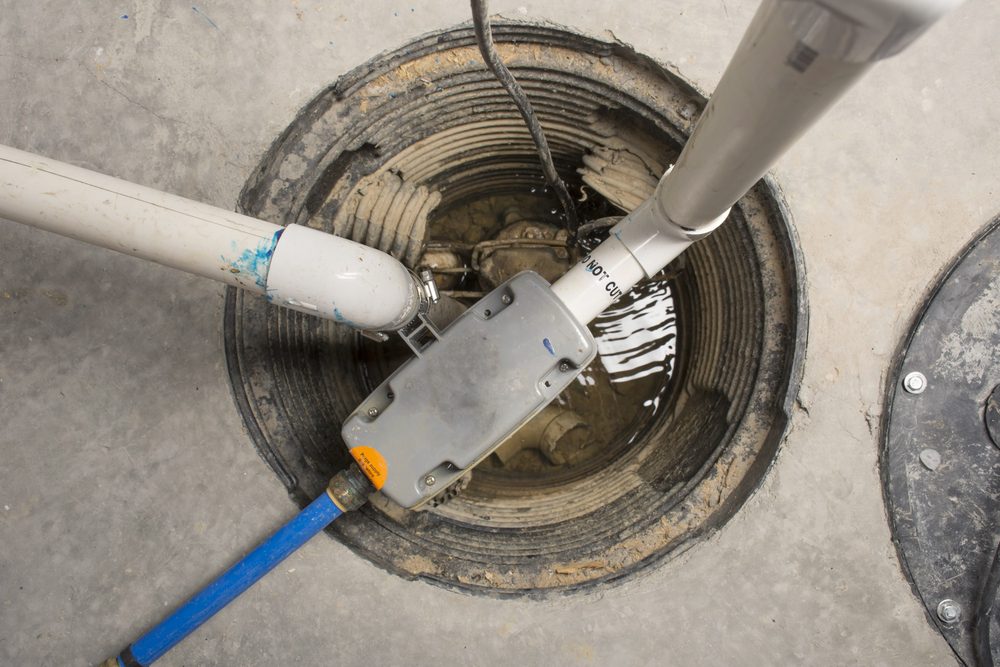
A sump pump spends most of its life waiting for the moment it's needed. During heavy rain, saturated ground, and seasonal storms, that system helps move water away from your home's foundation before it reaches the basement. Across Louisville, New Albany, and surrounding Kentuckiana communities, a failing sump pump can leave a home vulnerable to water damage at the worst possible time. The good news is that most systems show warning signs before they stop working completely.
Schedule Online(502) 205-2482Why Louisville & New Albany Homeowners Need Reliable Sump Pumps
The Louisville and Southern Indiana area presents several challenges for homeowners. The Ohio River, seasonal rainfall, clay-heavy soil, and areas with higher water tables can all increase the amount of groundwater surrounding a foundation.
When water enters a basement, the damage can extend beyond wet flooring. Drywall, stored belongings, furniture, and finished living spaces can all be affected. Because insurance coverage varies from policy to policy, preventing water intrusion is far less expensive than dealing with cleanup and repairs afterward.
A sump pump serves as an important part of that protection system.
Warning Signs Your Sump Pump is Failing
1. Unusual Noises (Grinding, Rattling, or Loud Humming)
A sump pump should operate with a consistent sound. Grinding, rattling, or loud humming can point to worn bearings, debris inside the impeller, or motor problems that deserve attention.
2. Frequent or Continuous Running
If the pump runs constantly or cycles every few minutes, the system is working harder than it should. A stuck float switch, failing check valve, or sizing issue could be responsible.
3. Rust or Corrosion on Pump Housing
Corrosion around fittings and critical components can indicate moisture intrusion and wear. Rust does not always mean immediate failure, but it should not be ignored.
4. Standing Water Despite Pump Running
If water remains in the pit while the pump is operating, the system is not removing water effectively. Blocked intakes, damaged impellers, and motor issues are common causes.
5. Irregular Cycling (Kicks On/Off Unexpectedly)
A sump pump should activate when water reaches a specific level. If it starts unexpectedly or fails to start during rainfall, the float switch or electrical controls could be malfunctioning.
6. Old Age (7+ Years Without Replacement)
Most sump pumps have a service life of roughly seven to ten years. If your unit is approaching that range, replacement planning is worth discussing before the next storm season arrives.
7. Vibration or Shaking During Operation
Excessive vibration can indicate a damaged impeller or an unstable installation. Continued operation under those conditions places additional stress on the system.
8. Frozen or Clogged Discharge Line
A sump pump can only work if water has a clear path away from the home. Ice, debris, or blockages in the discharge line can prevent water from draining properly.
9. Burnt Smell or Smoke from Pump
A burning odor or visible smoke should be treated seriously. Turn off power to the unit and seek professional assistance. Electrical concerns involving a sump pump should be treated as an emergency plumbing situation.
10. Water Stains or Musty Odors in the Basement
Water stains, damp spots, and persistent musty odors can indicate that moisture is entering the basement even when flooding is not visible. Those signs deserve further investigation.
What to Do When You Notice These Signs
If you notice any of these warning signs, start by checking the sump pit for obvious debris and confirming the pump has power. Beyond those basic checks, further diagnosis is best left to trained professionals.
An inspection from our licensed plumbers can determine if the issue involves a worn component, a drainage problem, or a pump that has reached the end of its service life.
Routine inspections are one reason homeowners enroll in Greenwell's A+ Membership program. Regular maintenance gives technicians an opportunity to identify developing issues before severe weather places extra demand on the system.
Sump Pump Repair vs. Replacement: When to Choose Each
Repairs make sense when the problem involves a float switch, check valve, discharge line, or another replaceable component. In those situations, correcting the issue can restore normal operation without replacing the entire unit.
Replacement becomes the better option when the pump is nearing the end of its service life, experiences repeated breakdowns, or struggles to keep up during heavy rainfall. A new system can also provide access to updated technology and battery backup protection.
Replacing an aging pump gives homeowners an opportunity to discuss sump pump installation options, including battery backup protection.
Get Expert Sump Pump Service in New Albany & Kentuckiana Today
Ignoring warning signs can turn a repair visit into a flooded-basement cleanup. If your sump pump is making unusual noises, running constantly, failing to remove water, or showing other signs of trouble, now is the time to have it inspected.
Greenwell serves homeowners throughout Louisville, New Albany, Jefferson County, Clark County, and surrounding communities. Visit our service area page to see all locations we serve.
If you suspect a problem with your sump pump, schedule service online or call Greenwell today. Our licensed plumbers provide inspections, repairs, maintenance, and replacement services throughout Kentuckiana.
Schedule Online(502) 205-2482