




Blog
Ductless Mini Split vs Central AC - Which One Is Right for Your Home?
Both systems cool a home effectively, but they solve different problems depending on the layout of the house, the condition of the ductwork, and the homeowner’s long-term goals. In Louisville and Southern Indiana, older housing stock makes this decision more important because many homes either lack ductwork completely or have duct systems that were never designed for modern cooling loads.
This guide compares ductless mini split Vs central AC by cost, efficiency, home layout, and long-term performance so homeowners can make a better decision before replacing or upgrading an HVAC system.
How Each System Works - The Key Difference
Central AC uses an outdoor condenser connected to indoor ductwork that distributes conditioned air throughout the house. The duct system becomes the delivery path for cooled air, which means your duct conditions directly affect system performance.
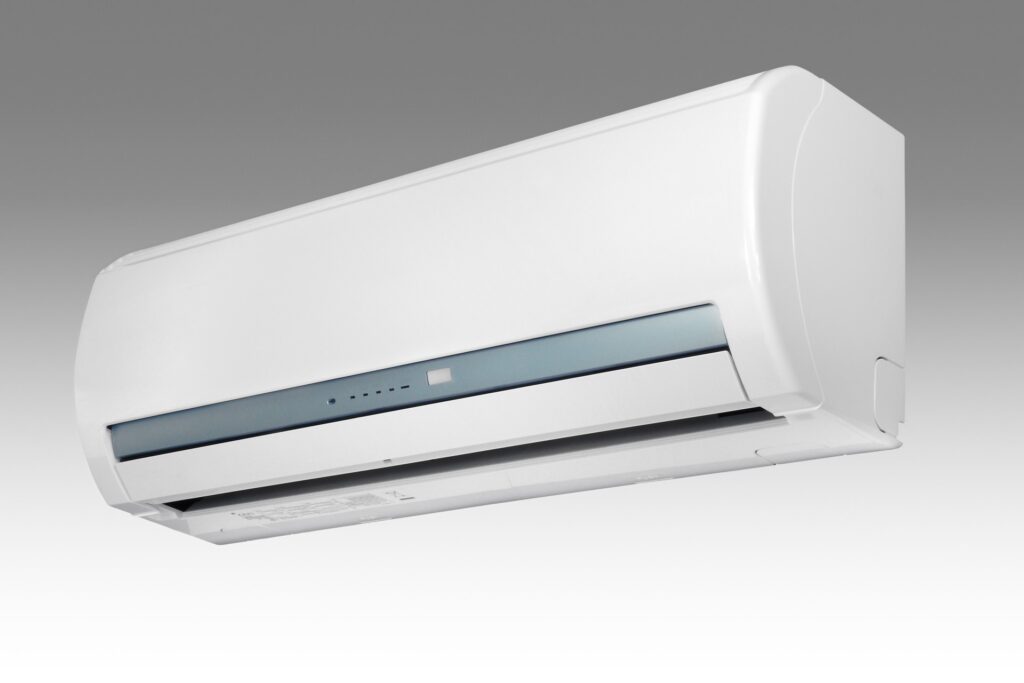
A mini split system uses an outdoor condenser connected to one or more indoor air handlers through small refrigerant lines instead of ductwork. Each indoor unit controls a separate zone independently.
Both systems use refrigerant-based cooling and can provide heating when paired with heat pump technology. The biggest difference is how conditioned air moves through the home.
Cost Comparison - Mini Split vs Central AC in Louisville and Southern Indiana
Mini split vs central air costs depend on whether usable ductwork already exists inside the home and how much of the HVAC system needs to be replaced or upgraded.
Several factors affect installation costs:
- Existing ductwork condition
- Number of rooms or zones being conditioned
- Electrical upgrades or dedicated circuits
- Equipment efficiency ratings
- Accessibility of installation areas
- Single-zone or multi-zone system layout
If a home already has properly sized ductwork in good condition, Central AC is the simpler whole-home installation. Homes without usable ductwork usually lean toward mini split systems because retrofitting ducts into finished walls and ceilings becomes much more invasive.
Financing options are available for both ductless and central HVAC installations.
Efficiency - Which System Uses Less Energy?
Mini split systems often operate between 18-30+ SEER2, which is higher than many standard central AC systems. Inverter-driven compressors also adjust output gradually instead of cycling fully on and off repeatedly.
A central AC system connected to sealed, insulated ductwork can still operate very efficiently. The issue in many Louisville and Southern Indiana homes is the ductwork itself.
Older homes in New Albany, Clarksville, Germantown, and the Highlands often have aging duct systems running through crawl spaces, attics, or unconditioned areas. Duct leakage and insulation problems can reduce system efficiency significantly before conditioned air even reaches the room.
That is usually about the time homeowners begin asking is a mini split better than central air for their specific home.
Mini Split vs Central AC for Older Homes
Mini split vs central air for older homes becomes a very different conversation when the house was never designed for central cooling.
Many pre-1960 homes throughout Louisville and Southern Indiana still use radiator heat, baseboard systems, or outdated duct layouts that stop at the original footprint of the home. Adding full ductwork often means opening walls, building soffits, or sacrificing attic and closet space.
A multi-zone mini split system solves that problem with much less structural disruption. Refrigerant lines pass through small wall openings while indoor units mount directly inside each room or zone.
Greenwell sees this frequently in New Albany, Jeffersonville, and older Louisville neighborhoods where additions, upstairs rooms, and finished garages were never connected to the original HVAC system.
Where Central AC Still Makes More Sense
Central AC remains the stronger choice when the home already has solid ductwork designed for cooling loads.
Homes with existing duct systems usually benefit from:
- Lower whole-home installation disruption
- Cleaner visual appearance without wall-mounted heads
- Easier whole-home airflow management
- Compatibility with existing furnace systems
For homeowners already planning AC installation alongside furnace upgrades, central systems remain the simpler long-term setup.
How to Decide Which System Fits Your Home
The right system usually comes down to four questions:
- Does the home already have ductwork in good condition?
- Are you conditioning one room or the whole house?
- Do you need both heating and cooling?
- Does the installation budget support ductwork upgrades?
Mini split your whole home vs central AC decisions often depend on duct condition more than the HVAC equipment itself. A home without usable ductwork points toward ductless mini split installation, while homes with strong existing ducts often stay with central systems.
Greenwell’s Service area includes Louisville KY, New Albany IN, Clarksville IN, Jeffersonville IN, Sellersburg IN, Floyds Knobs IN, and surrounding Kentuckiana communities.
Greenwell can evaluate ductwork conditions, compare both systems, and recommend which option fits the home best. Schedule service online or call (502) 205-2482 to schedule an in-home estimate today.
Schedule Online(502) 205-2482